Getting into the paper isn’t luck — it’s knowing the steps that make it easier for an editor to say yes.
In my continued conversation with Kingsport Times News Content Editor Carol Broyles, she laid out a clear roadmap for how businesses can get covered, from making the first call to submitting the right photo format. And yes — your grand opening really does count as news.
Jeff Pizzino: What steps should businesses follow if they want to get into the paper?
Carol Broyles: First, call the newspaper or look at their website. Most have a business writer or editor. Tell them who you are, what you have, and ask for their contact info. Don’t just send something and hope — ask what they want. Sometimes you need to talk to an editor to get directed to the right reporter or section.
JP: Do you recommend people reach out to an editor or a reporter first?
CB: You can do either one. But if you’re not sure which reporter to contact, then it’s best to go through an editor who can connect you with the correct reporter.
JP: What about photo specs? How many people know a high-resolution photo is 300 DPI (dots per inch)?
CB: Probably not many. People often send images from their phones and have to choose the size when forwarding. Actual size is best. It typically needs to be megabytes and not a two-digit or low three-digit kilobyte size, like a thumbnail would be.
JP: What size photo do you prefer?
CB: I love 300 DPI and big images — 4×6 inches or larger is perfect. Bigger is better than too small because I can scale it down in Photoshop.
JP: What about photo captions, or cutlines, as they’re called in newspaper jargon?
CB: Yes. Sometimes we receive a photo with some people in it and we have absolutely no idea who they are. Sometimes a group is OK to simply identify the name of the group or club. But if you have, for example, three people and none are identified — we need names. And this is very important — do not send a picture that’s not your own. We need permission to print it.
JP: Alright, so let’s talk about the top 3–5 mistakes you see when people send you a news story. We already discussed one, not having the proximity angle. Not relevant to where you’re located. How about: not newsworthy — more like an advertisement? In other words, too promotional-sounding?
CB: It doesn’t hurt to send them.
JP: Really?
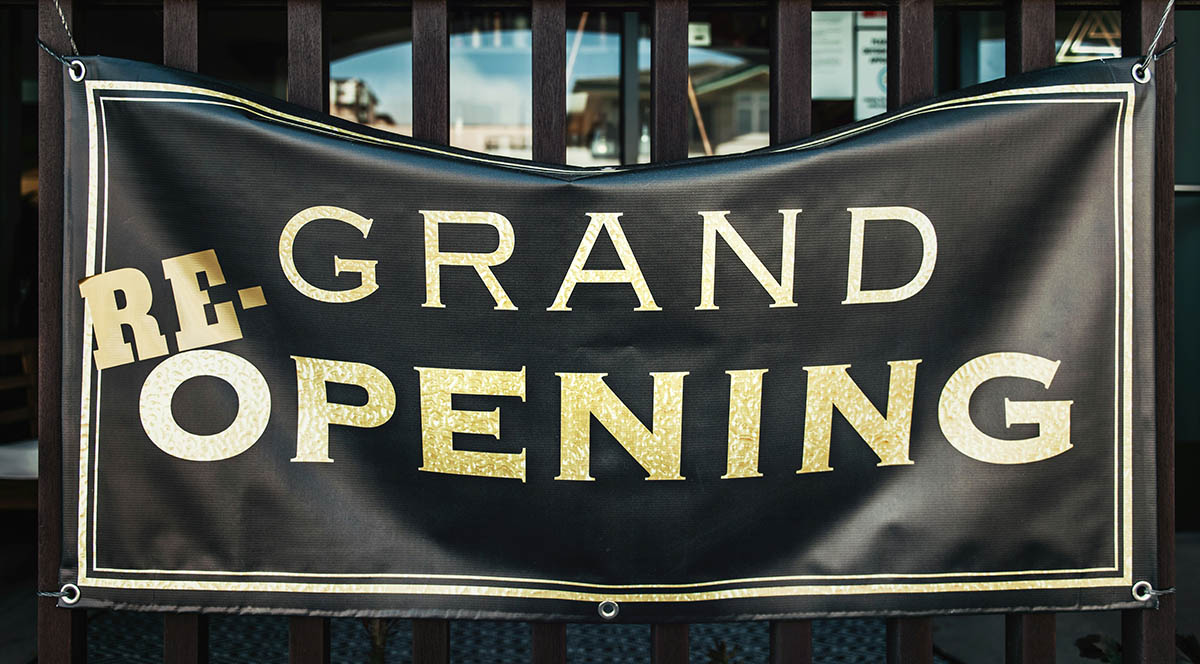
CB: Like, you know, maybe we’re not going to run it, but a lot of things that might sound commercial — like a new business opening. Technically, it’s promotional — but it’s also news. People like hearing about a new business opening. So if you’ve got a new business, like a new restaurant grand opening, it might sound promotional, but it’s still newsworthy. And as I do more community content than hard news — if I find it of community interest, l might use it. Or I won’t.
JP: OK. That’s different from some other reporters I’ve worked with.
CB: Yes, but my section is completely different in many ways than the news section. I manage the Living section, and because we’re local, community news is our bread and butter.
JP: It’s definitely easier to get stories in a paper like yours than like the New York Times or Wall Street Journal. So, people should remember local newspapers are always looking for news, right?
CB: Absolutely. These days more than ever, because we have fewer reporters. If it’s a hard news story, it’s going to go to a reporter who has to fact-check everything. If it’s more of a feature-oriented story, I’ll look at it. We’re not running anything that’s not true, but at the same time we can’t cover every opportunity or story.
JP: That’s the thing — newsrooms have been downsized a lot. How much do you rely on PR professionals or business owners to help you be the eyes and ears of the community?
CB: That’s incredibly important. We get calls like, “How come we didn’t cover this?” Or… Someone might say, “We’re giving away shoes to students,” and expect us to cover it (which we would). If you want coverage, reach out. Don’t assume we know — maybe we just didn’t hear about it.
JP: So, you’re part of a group of papers?
CB: Yes, Six Rivers Media. It’s family-owned, and that’s a rarity in news media now.
JP: A lot of papers have been bought by larger corporations.
CB: Everything’s consolidated. But we’re owned by a local family. Our president, Allen Rau, grew up in this area and is committed to it.
JP: What’s the most frustrating part of your job?
CB: Personally, I’d love to be able to clone myself — and double the size of the paper or the space I have. There’s always something I could cover better or expand on.
The 3 Big Takeaways
- Call or check the newspaper’s website first — ask what editors want before sending.
- Bigger, high-resolution photos (300 DPI, 4×6 inches or larger) are best.
- Local newspapers thrive on community news — new businesses and events are often considered newsworthy.
Questions about the best photo specs? How to resize your photos? The best orientation? Writing a photo cutline? Email me!
Stay authentic!
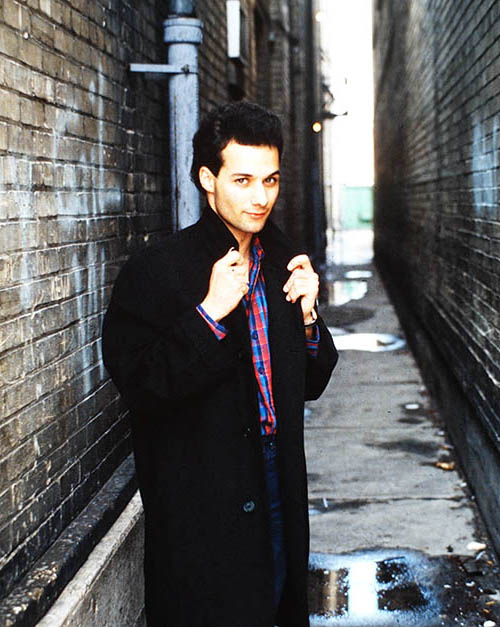
Jeffery E. Pizzino, APR (seen here in a vintage photo circa 1983 serendipitously doing a Clash impersonation in a since-forgotten location) is a spin-free public relations pro who is passionate about telling the why of your story with clarity, impact and authenticity. He began his PR career in 1987 at Ketchum Public Relations in New York City but has spent the majority of his career as a solopreneur. He’s the Chief Authentic Officer of the Johnson City, TN-based public relations firm, AuthenticityPR. He also functions as the fractional CCO for technology startup Converus.
Jeff has an MBA in Management from Western International University and a Bachelor of Arts degree in Communications — with an emphasis in PR — from Brigham Young University (rise and shout!). He’s a native of Milwaukee, Wisconsin, but also holds an Italian citizenship. Jeff and his storyteller wife Leticia have four children and four grandchildren. In his extremely limited nonwork hours, he studies italiano, practices guitar, write songs, gardens, disc golfs, reads, listens to New Wave music, serves in his church, watches BYU football, and plays Dominion and Seven Wonders. Email Jeff.