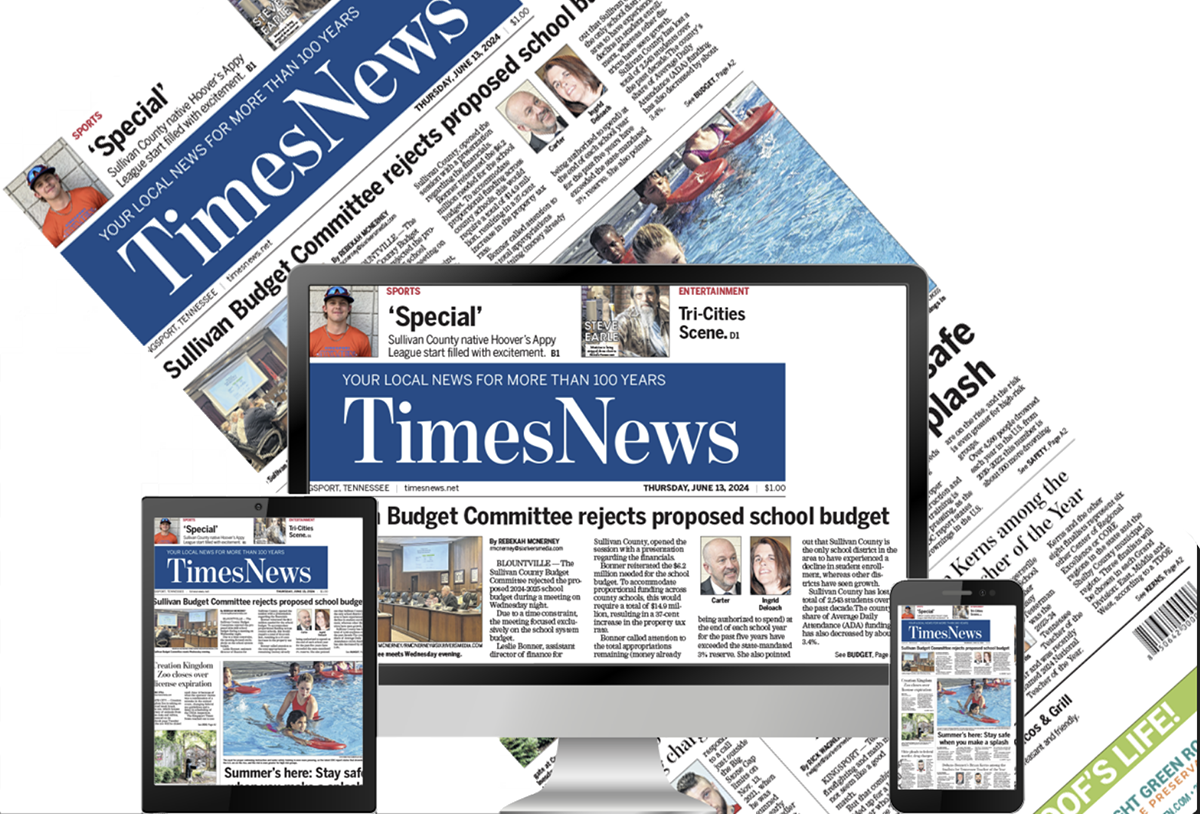
We all know a picture is worth a thousand words, but it’s worth nothing to a newspaper when it’s low quality or is missing the cutline (journalism lingo for a photo caption) identifying people in the photo.
But when you include a high-quality photo with a cutline when pitching a newspaper your story, you can substantially increase your chance of getting your story placed.
Photos are attention-getting. Kingsport Times News Content Editor Carol Broyles said it herself during my interview with her in July. Here’s part two of our four-part series with her.
Jeff Pizzino: What do you look for in pitches besides proximity (the local angle)?
CB: An attached photo gets my attention because I can use it online or in print. It needs to be clear — not a tiny, blurry thumbnail. If it’s thumbnail size I can’t use it. Sometimes people send PDFs or fliers, which are hard to extract text from. Those go to the bottom of the stack because to extract the text I have to open it in Adobe Acrobat or retype the text myself. But something that’s regional or local, well-written, has an image, then it’s probably something I can use.
I do try to say, “Thank you for sending.” I’ll then put it in a folder to use later if I can’t use it immediately.
Then if people follow up with an email or call a few days later asking about the email they sent, that’s great — providing they act nice and not entitled. I don’t get as many entitled people as I used to saying things like, “You need to put this in your paper.” Being nice goes a long way. And it goes both ways with an editor or reporter. Someone is going out of their way to help you by sending news, so they (the editor or reporter) should be nice in return.
JP: That’s a great philosophy. What about attachments that are too large? Do they get caught in spam?
CB: Yes. If an email looks like it’s sent to too many people or has large attachments, it goes to the spam or junk folder. It’s rare for anything to pop into my inbox without filtering.
JP: Do you prefer people link to files on Google Drive or attach them?
CB: I’m not a big fan of Google Drive links. I prefer content in the email body or attached as Word documents because I can open them easily. Unknown links get ignored for security reasons.
JP: So, it’s better to put the press release text in the email body rather than attach a Word doc?
CB: Either works. But I prefer having the text in the body of the email so I can scan it and download the attachment if needed. Always include contact info so I can follow up or forward to the right reporter. Also, don’t assume your story is going to run the next day. Give us at least a week.
JP: How far in advance should they contact you for an event?
CB: Ideally two weeks. Sometimes you can’t do that, but if we’re contacted more than a month ahead means we’ll probably forget about it.
JP: Do you prefer working with PR pros or with business owners who may not be trained at writing press releases?
CB: I’m an editor, so I can clean up style. I don’t mind either, but cleaner submissions are better. Whether it comes from a PR or a business person, the main thing is clear, well-written copy.
The 3 Big Takeaways
- High-quality photos with clear cutlines dramatically increase story placement chances.
- Editors prefer press releases in the email body (with clean attachments if needed).
- Being nice — and following up politely — makes a big difference.
Questions about the best photo choices for your press release? Email me!
Stay authentic!
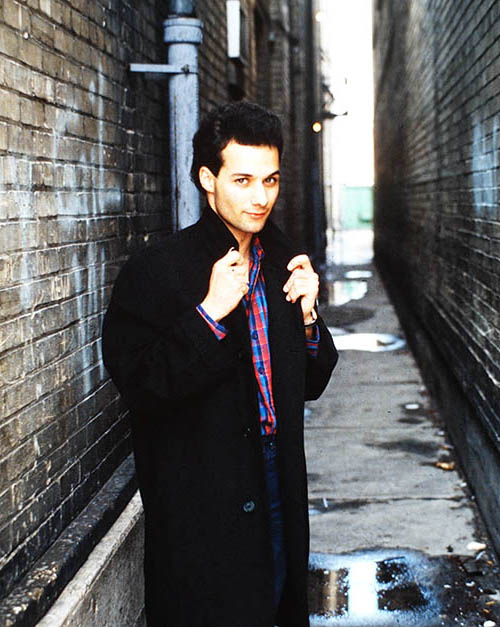
Jeffery E. Pizzino, APR (seen here in a vintage photo circa 1983 serendipitously doing a Clash impersonation in a since-forgotten location) is a spin-free public relations pro who is passionate about telling the why of your story with clarity, impact and authenticity. He began his PR career in 1987 at Ketchum Public Relations in New York City but has spent the majority of his career as a solopreneur. He’s the Chief Authentic Officer of the Johnson City, TN-based public relations firm, AuthenticityPR. He also functions as the fractional CCO for technology startup Converus.
Jeff has an MBA in Management from Western International University and a Bachelor of Arts degree in Communications — with an emphasis in PR — from Brigham Young University (rise and shout!). He’s a native of Milwaukee, Wisconsin, but also holds an Italian citizenship. Jeff and his storyteller wife Leticia have four children and four grandchildren. In his extremely limited nonwork hours, he studies italiano, practices guitar, write songs, gardens, disc golfs, reads, listens to New Wave music, serves in his church, watches BYU football, and plays Dominion and Seven Wonders. Email Jeff.