One day (it could have been a month ago, it could have been years ago — I’m not telling) the COO of one of my clients asked AI a question:
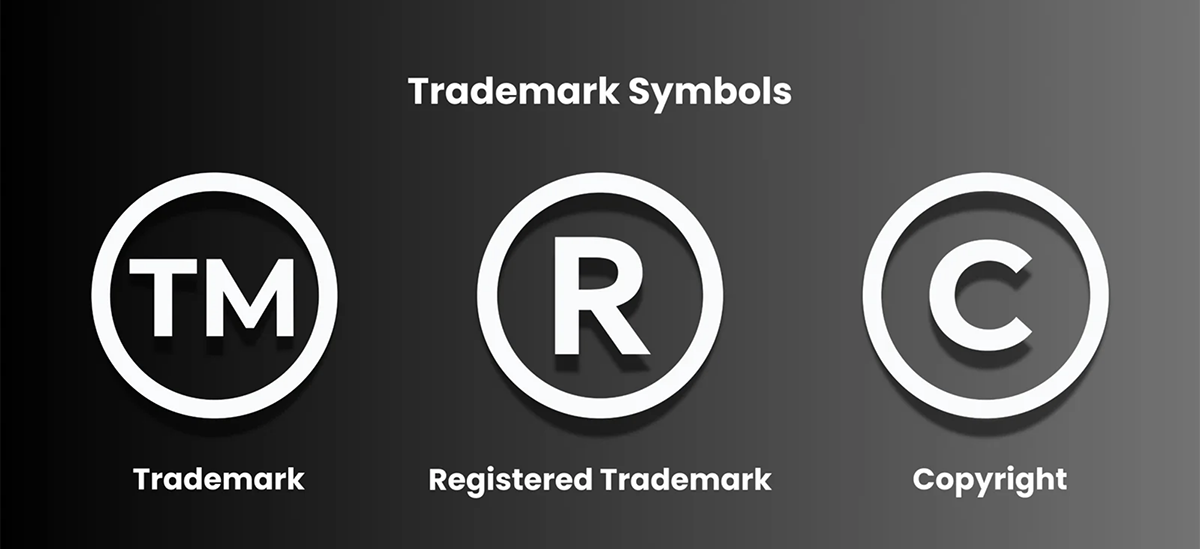
“Should we be putting legal symbols like ® and ™ and © symbols in our press releases?”
The COO wanted to protect the company’s trademarks. The CEO echoed the concern. And to be fair, they had a point — trademark law is serious business.
But as their PR counsel, I had to push back.
Here’s the thing: a press release is not a legal document. It’s a news story. And in journalism, legal clutter doesn’t belong.
What the AP Stylebook Says
The Associated Press (AP) Stylebook — the bible for reporters and editors — couldn’t be clearer:
“Do not use trademark symbols such as ™ and ®. Capitalize brand names to distinguish them.”
That’s not optional. That’s a rule. And reporters live by it.
A former reporter once told me, “If I see a legal symbol in a press release, it immediately goes in the trash.”
That may sound harsh, but it’s reality. Editors don’t have time to strip out what may be deemed marketing fluff. If a press release doesn’t conform to journalism standards, it will likely be ignored and never see the light of day.
When AI Gets It Wrong
Sometimes AI does more harm than good. I regularly catch it making up things, requiring me to put it on time out.
AI definitely stirred the pot in this instance.
A generative AI tool had confidently proclaimed trademarks should always be marked with ® or ™. And technically, that’s true… in legal documents, marketing collateral, and sometimes on websites.
But the nuance was missing: press releases aren’t legal documents.
The AI answer wasn’t exactly wrong; it was misapplied.
And that’s a lesson everyone (especially communicators and CEOs) should remember: you can’t trust everything AI tells you. Machines can spit out rules, but they sometimes don’t understand context. That’s where human verification comes in.
PR isn’t just about knowing the rules; it’s about knowing which rules apply where.
AI Counsel vs. PR Counsel vs. Legal Counsel
This little skirmish also illustrates a bigger truth: organizations need both legal and PR voices at the table.
- Legal counsel exists to protect the company from risk. Their instinct is to make sure nothing is left open to interpretation. Hence the desire to include every trademark symbol, everywhere.
- PR counsel exists to earn credibility and visibility. Our instinct is to communicate in a way that builds trust with journalists and the public. Hence the insistence on following AP Style.
- AI counsel exists to provide fast answers, which can save time and increase efficiency. But you have to keep a close eye on AI. Question everything!
All perspectives matter. They should all be acknowledged. Any tension created when there’s a clash should be quickly resolved.
In this case, I reached a somewhat of a compromise with my client: legal symbols could stay in the boilerplate — the “About the Company” section at the end of the release. That part rarely gets reprinted word-for-word by journalists, and it serves as background information.
But the body of the release? It must be pure AP Style, which means free of legal symbols.
The CEO walked away satisfied that the trademarks were still being respected. The PR team walked away satisfied that reporters wouldn’t immediately throw the release in the trash.
Everybody won.
Don’t Wait for a Crisis
One of the worst times to debate an issue like this is when you’re on deadline to publish a press release.
That’s why it’s critical for leadership, legal counsel, and PR to sit down in advance and hash out standards. When everyone understands the why behind the rules, you avoid last-minute reversals, confusion, and potential embarrassment.
PR counsel should pre-teach proper journalism writing.
For example:
- Should the company name always include “Inc.” or “LLC” in press releases?
- How should product names be capitalized?
- Do we use first names, last names, or titles on second reference to executives?
- What’s our policy on using customer quotes, especially when legal reviews are required?
These sound like minor details, but they become flashpoints when deadlines loom. Having clear, agreed-upon standards avoids costly delays and mixed signals.
The Bigger Lesson
At first glance, the “® vs. no ®” debate may feel trivial. But it’s not. It reflects the balancing act every organization faces: protecting the company’s interests while also making sure its communications are credible and effective.
And journalist friendly.
It also underscores why AI will never replace experienced counsel. AI can spit out a rule, but it won’t know when to bend it, when to ignore it, or when to insist on it.
PR professionals exist to bridge that gap — between what’s legally safe and what’s strategically smart.
A press release that makes the lawyers happy but never gets published hasn’t done its job.
The CEO’s Final Word
It took some serious effort on my part to plead my case and convince my client AI was WRONG.
After citing journalists and the AP Style book, I finished blowing AI’s advice to smithereens with one last closing argument:
“In the 10 years we’ve been writing press releases without legal symbols, how many times have you had to defend your trademarks?”
Point proven. Case closed.
The CEO was won over. His final message regarding this matter: “OK. Then let’s continue doing it as we have. I feel better knowing we can protect our marks by using the symbols in the boilerplate of the press release.”
Trademarks protected. AP Style respected. Reporters not alienated.
It was time to sing Kumbaya.
3 Big Takeaways
- Don’t believe everything AI tells you.
- Press releases are not a legal document.
- With a little patience and sound reasoning, C-level execs can be won over.
Has AI ever given you bad advice? Do tell!
Stay authentic — and make sure AI does likewise.

Jeffery E. Pizzino, APR (seen here in a vintage photo circa 1983 serendipitously doing a Clash impersonation in a since-forgotten location) is a spin-free public relations pro who is passionate about telling the why of your story with clarity, impact and authenticity. He began his PR career in 1987 at Ketchum Public Relations in New York City but has spent the majority of his career as a solopreneur. He’s the Chief Authentic Officer of the Johnson City, TN-based public relations firm, AuthenticityPR. He also functions as the fractional CCO for technology startup Converus.
Jeff has an MBA in Management from Western International University and a Bachelor of Arts degree in Communications — with an emphasis in PR — from Brigham Young University (rise and shout!). He’s a native of Milwaukee, Wisconsin, but also holds an Italian citizenship. Jeff and his storyteller wife Leticia have four children and four grandchildren. In his extremely limited nonwork hours, he studies italiano, practices guitar, write songs, gardens, disc golfs, reads, listens to New Wave music, serves in his church, watches BYU football, and plays Dominion and Seven Wonders. Email Jeff.